
Buy Party N Play Products – Premium Ketamine Canada exclusively at Pride Pulse!
Ketamine is commonly used in party settings for its dissociative and calming effects. In gay nightlife, it often appears as a contrast to stimulants—something that softens or grounds the experience.
Key Risks for Ketamine
- Loss of coordination (falls, accidents)
- “K-holes” (intense dissociation, inability to move)
- Dangerous when mixed with alcohol or other depressants
- Bladder issues with frequent use
Harm Reduction Tips for Ketamine
- Start low—effects can escalate quickly
- Avoid mixing with alcohol (this combo increases overdose risk)
- Stay seated or in a safe space if feeling unsteady
- Use in environments where someone can check on you
- Give your body time between doses
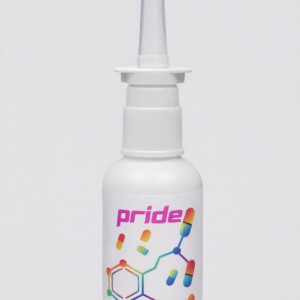
Chemsex & Harm Reduction at Pride Pulse
Chemsex or Party N Play (PNP) refers to the use of substances in sexualized social contexts, often to heighten connection, confidence, or intimacy. At Pride Pulse, conversations about chemsex are grounded in harm reduction—a practical, non-judgmental approach that recognizes people’s realities while prioritizing health, dignity, and informed choice.
A harm-reduction lens starts with respect. Pride Pulse affirms that people engage in chemsex for many reasons, and that safety improves when stigma is reduced and honest information is accessible. This means creating spaces where individuals can ask questions, talk openly about risks, and access support without fear of shame or punishment.
Key principles emphasized include informed consent, community care, and self-awareness. Pride Pulse encourages clear communication about boundaries, checking in with oneself and others, and understanding how substances can affect mood, judgment, and wellbeing. Harm reduction also highlights the importance of sexual health, mental health, and aftercare, recognizing that support before and after encounters can matter as much as the moment itself.
Rather than promoting abstinence or moralizing behavior, Pride Pulse focuses on reducing preventable harm and strengthening autonomy. By centering compassion, education, and peer support, the goal is to help people make safer choices, look out for one another, and access help early when they need it—so pleasure, connection, and care can coexist.