Microdosing Psilocybin: What the Research Actually Shows
What is Microdosing Psilocybin
Microdosing is the practice of regularly taking small, sub-hallucinogenic doses of a psychedelic — typically cited in research as 1/10th to 1/20th of a recreational dose, or roughly 0.1 to 0.3 grams of dried psilocybin mushrooms — on an intermittent schedule, with the goal of avoiding a full hallucinogenic experience while still producing subtle effects on mood or cognition.
The most commonly reported microdosing pattern in research is the “Fadiman protocol” — one day on, two days off — named after psychologist James Fadiman, who helped popularize structured microdosing schedules. This pattern exists largely because psilocybin’s effects build tolerance rapidly with repeated consecutive-day use, meaning the same amount produces progressively less effect on back-to-back days; the tolerance also fades quickly once use stops, which is part of why on/off schedules are typically described rather than continuous daily use.
What Research has been Done on Microdosing?
The strongest research on this topic happens to be Canadian. UBC Okanagan’s “Microdose.me” research program, led by Dr. Zach Walsh and doctoral researcher Joseph Rootman, has produced some of the most substantial data available anywhere on this practice. Their November 2021 study, published in Scientific Reports and following more than 8,500 people across 75 countries, found that microdosers reported lower anxiety, depression, and stress than non-microdosers.
This picture gets more complicated when placebo controls enter the research. A “self-blinding citizen science” study — where 191 participants incorporated placebo control into their own microdosing routine without clinical supervision, making it one of the largest placebo-controlled psychedelic studies to date — found that psychological outcomes improved significantly in both the microdosing group and the placebo group, with no significant difference between them on most measures. This body of evidence suggests that expectation and placebo effects likely play a real role in what microdosers report experiencing.
There is currently no published Canadian or international data on psilocybin microdosing prevalence specifically among LGBTQ people. This is a genuine gap, not an oversight in this research — none of the major studies cited above broke results out by sexual orientation or gender identity.
Harm Reduction for Microdosing: Tips and Advice
Know the same drug-interaction cautions as full-dose use. Psilocybin is generally advised against for people with a personal or family history of psychosis or bipolar I disorder, and shouldn’t be combined with lithium or MAOIs. There’s no established evidence these interaction risks disappear at lower doses, so the same caution applies.
Watch for the role of expectation. Given the placebo research above, anyone considering microdosing for a specific mental health concern should discuss it with a health care provider rather than substituting it for established treatment, and stay attentive to whether they’re experiencing a genuine effect or one shaped by anticipation.
Frequently Asked Questions
Large observational studies from UBC Okanagan have found associations between microdosing and lower anxiety and depression, but smaller placebo-controlled studies found similar improvements in both microdosing and placebo groups, suggesting expectation effects play a meaningful role. The evidence is genuinely mixed.
Research typically describes microdoses as roughly 0.1 to 0.3 grams of dried mushrooms, compared to several grams for a full recreational dose — though potency varies significantly by species and batch, making this hard to standardize outside a lab setting.
No Canadian or international study currently reports microdosing data broken out by sexual orientation or gender identity.
Related Articles in This Series
-
B+ Mushroom
Price range: $25.00 through $100.00 Select options This product has multiple variants. The options may be chosen on the product page -
LSD Lucy Tabs
Price range: $12.00 through $90.00 Select options This product has multiple variants. The options may be chosen on the product page -
Hippie Flip Pills
Price range: $12.00 through $80.00 Select options This product has multiple variants. The options may be chosen on the product page -
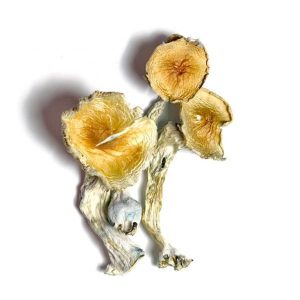
Blue Meanie Mushrooms
Price range: $25.00 through $100.00 Select options This product has multiple variants. The options may be chosen on the product page