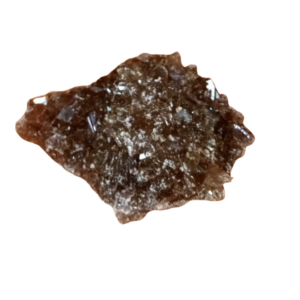
Microdosing MDMA: A Practice Without a Research Base
What microdosing MDMA involves, why there’s almost no clinical research on it, and harm reduction guidance for a practice with real evidence gaps
What is Microdosing MDMA
Applied to MDMA, microdosing is typically described as 5–10% of a standard recreational dose — roughly 3.5 to 10.5 mg for an average adult, compared with a recreational dose of approximately 75 to 105 mg — taken with the stated goal of capturing subtle mood or emotional effects without the more intense experience of a full dose.
It’s worth stating plainly and early, because this is the central fact of this article: MDMA microdosing has essentially no clinical research base. Unlike LSD and psilocybin, which have imperfect but real placebo-controlled studies and large observational datasets behind them, MDMA’s effects at microdose levels haven’t been studied in controlled clinical settings. What information exists is almost entirely anecdotal, drawn from online communities and informal reporting rather than research.
What does the Research Show?
There’s one narrow exception worth citing precisely, without overstating it: a single published case report describes a 64-year-old patient with chemotherapy-related neuropathic pain who received repeated low-dose MDMA (12.5–25 mg every other day) as part of an individualized treatment approach, with reported sustained pain relief. This is one case report, not a study — it addresses a specific pain condition rather than general wellness use, and it shouldn’t be read as evidence of safety or effectiveness for microdosing in general.
One general population data point is worth citing carefully: a 2023 U.S. cross-sectional survey measuring lifetime microdosing prevalence across cannabis, psilocybin, LSD, and MDMA found MDMA to be one of four substances people reported microdosing. The survey reports that 2.2% of those surveyed report microdosing with MDMA.
However, given the relative absence of studies related to microdosing MDMA, compared to microdosing with psilocybin mushrooms or LSD, the health effects of microdosing with MDMA remain an open question and are best left for future research.
Harm Reduction: Tips and Advice
There’s no microdose-specific safety data to draw on. Because no established research exists, the guidance below applies what’s known about MDMA’s pharmacology at any dose, cautiously extended toward the lower end of that range — not microdose-specific safety findings, because none exist. Keep in mind the key risks associated with MDMA at full dose, including cardiovascular strain, interaction risks with medications (eg. SSRI medications), neurotoxicity concerns with repeated MDMA use, and the risk of serotonin syndrome and overheating.
Understand what you don’t know. Readers considering microdosing MDMA should understand they’re making decisions with essentially no safety data to rely on — a meaningfully different situation than the still-limited, but real, research base available for LSD and psilocybin microdosing.
The well-studied version of MDMA therapy looks nothing like this. Full-dose, therapist-supervised MDMA-assisted therapy for PTSD has a real evidence base. This is a meaningfully different thing from self-directed microdosing, and readers interested in MDMA’s therapeutic research specifically should understand that distinction clearly before drawing conclusions from one to the other.
Frequently Asked Questions
Is there research on microdosing MDMA?
No meaningful clinical research exists. The one relevant published source is a single case report involving one chemotherapy patient’s neuropathic pain — not a study, and not generalizable evidence about safety or effectiveness.
How much MDMA counts as a “microdose”?
Typically described as roughly 3.5 to 10.5 mg, compared to a recreational dose of about 75 to 105 mg — though without clinical research, these figures come from informal community reporting rather than studied protocols.
Is microdosing MDMA safer than a full recreational dose?
This isn’t established. Risks like serotonin syndrome, cardiovascular strain, and adulteration in the unregulated supply don’t necessarily scale down proportionally with a smaller dose, and frequent repeated dosing — the core of microdosing as a practice — introduces its own less-studied risk from cumulative exposure.
Is MDMA-assisted therapy the same as microdosing?
No. MDMA-assisted therapy involves full recreational-range doses in a supervised clinical setting and has real, if still evolving, research support. This is a fundamentally different practice from self-directed microdosing.