R-Ketamine vs. S-Ketamine: What’s the Difference?

Understanding the Two Forms
Think of your own hands for a second. Your left and right hands look almost identical — same shape, same parts — but they’re mirror images of each other, and you can’t swap one for the other. In chemistry, molecules that are mirror images like this are called enantiomers. Regular ketamine, the kind used in hospitals, in depression clinics, or recreationally, is usually a 50/50 mix of two of these mirror-image molecules.
- S-ketamine (also called esketamine) is the “left hand.”
- R-ketamine (also called arketamine) is the “right hand.”
They’re built from the exact same atoms, but their different shapes mean they interact with the brain differently, and produce different effects. That’s the whole reason this comparison matters — it’s not just a chemistry trivia fact.
Which One Is Stronger?
Ketamine mainly works by blocking something in the brain called the NMDA receptor. S-ketamine locks onto this receptor much more tightly than R-ketamine does — somewhere around four to five times more tightly, according to commonly cited research. In practical terms, that means S-ketamine is the stronger of the two per milligram: it takes less of it to get a similar pain-relieving or anesthetic effect. R-ketamine, being the weaker binder, would generally need a bigger dose to do the same job.
This is part of why S-ketamine got turned into its own standalone medication: esketamine, sold under the brand name Spravato. It’s approved in the U.S., Europe, and by Health Canada specifically for depression that hasn’t responded to other treatments, and it’s given as a nasal spray in a clinic, under supervision, alongside a regular antidepressant. R-ketamine hasn’t gone that route — it’s not approved as a treatment anywhere yet. Right now it only exists in research studies, though scientists are genuinely interested in it.
Do They Feel Different?
Based on the research so far, yes, at least somewhat. S-ketamine tends to produce a stronger “dissociative” feeling — that sense of being detached from your body or your surroundings. Early research on R-ketamine (mostly in animals so far) suggests it might be less likely to cause psychosis-like effects for a similar benefit, which has led some scientists to describe it as possibly gentler. That said, almost all the real patient accounts we have — covered further down — come from people who took S-ketamine or regular mixed ketamine, not R-ketamine specifically, so this is still an early, unproven idea rather than something well-documented in people.
Is the Stronger One Actually the Better Treatment?
Here’s where it gets interesting, because the answer isn’t what you might expect.
S-ketamine is more potent, but that hasn’t made it a better depression treatment. A large pooled analysis of 24 studies and almost 1,900 people, published in the Journal of Affective Disorders, found that regular IV ketamine actually worked better than esketamine nasal spray — more people responded, more people went into remission, and fewer people dropped out. So the newer, stronger, officially-approved product didn’t outperform the older, off-label one in this analysis.
R-ketamine might have its own advantages, even though it’s the weaker one. Animal studies have found R-ketamine can produce longer-lasting antidepressant-like effects than esketamine, with fewer side effects — less overactivity, fewer psychosis-like symptoms, and what looks like lower potential for misuse in these animal models. Research in actual humans is still limited, but a 2025 review called its progress promising, and scientists have specifically asked for a study that puts R-ketamine and esketamine head-to-head in people. That study hasn’t happened yet.
How Patients Actually Weigh These Options
- S-ketamine in the form of Esketamine (Spravato) is the only one of the three with official Health Canada approval specifically for hard-to-treat depression. It’s given as a supervised nasal spray alongside a regular antidepressant, and it has the most formal approval pathway of the three, even though the underlying trial evidence isn’t the strongest of the group.
- Regular (“racemic”) ketamine — the 50/50 mix of S-ketamine and R-ketamine — is what most Canadian ketamine clinics actually use, usually as an IV infusion. As the research above shows, it’s actually shown better results in pooled studies than esketamine, even without having the same official depression-specific approval.
- R-ketamine (arketamine) isn’t available as a treatment anywhere right now. It only exists in research studies, and anything said about its advantages so far comes from early, mostly animal-based research — not something that’s been proven in people yet.
Frequently Asked Questions
S-ketamine. It binds to the brain’s NMDA receptor about four to five times more tightly, making it the more potent of the two per milligram.
Not really — it depends what you’re measuring. S-ketamine is stronger and has an approved product (Spravato) behind it, but actual trial results favour regular ketamine over esketamine for treating depression, and R-ketamine’s early research hints at fewer side effects, though that hasn’t been confirmed in people yet. There isn’t a clean “better” answer here.
Based on the evidence pooled so far, no — regular IV ketamine actually showed better response and remission rates in a large combined analysis of 24 studies, even though esketamine is the newer, officially approved, more potent product.
No. It’s only available through research studies right now, not as something a doctor can prescribe. Most Canadian ketamine clinics use the regular 50/50 mix instead.
Related Articles in This Series
- Ketamine and the LGBTQ Community
- Ketamine as a Depression Treatment: What Is and Isn’t Known
- Harm Reduction at Magnetic World: A Guide
-
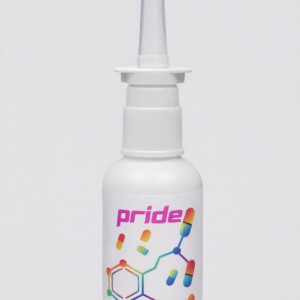
20mL Nasal Spray Ketamine Type R
$140.00 Add to cart -
20mL Nasal Spray Ketamine Type S
$140.00 Add to cart -
Etomidate Vape Pod (KPods)
$160.00 Select options This product has multiple variants. The options may be chosen on the product page -
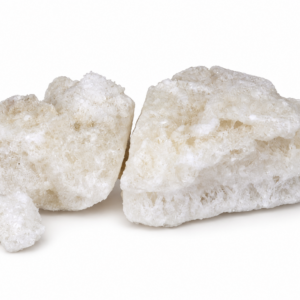
Ketamine Type R
Price range: $125.00 through $550.00 Select options This product has multiple variants. The options may be chosen on the product page