LGBTQ+ Harm Reduction in Canada: A Complete Guide
Queer Nightlife and Party Culture
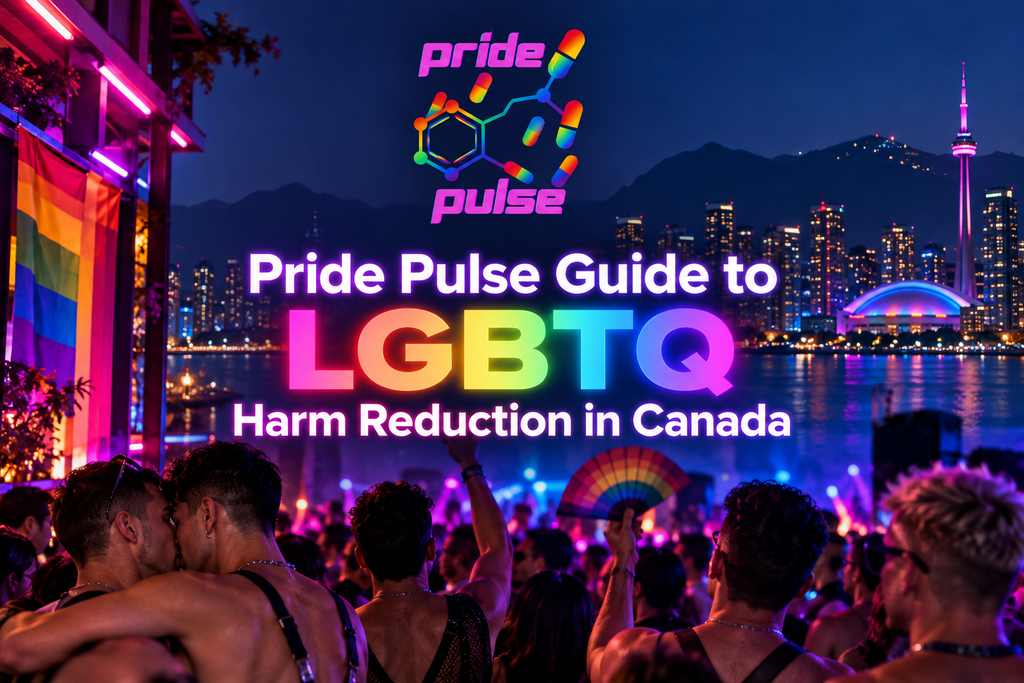
Nightlife and large social events are important gathering spaces for many LGBTQ+ communities, particularly in major Canadian and US cities. Clubs, raves, circuit parties, Pride celebrations, music festivals and afterparties can bring together large numbers of people for dancing, music, socializing and meeting new people. Substance use is more likely to be present in some of these environments than in everyday settings.
Clubs and Raves
Clubs and raves are common settings for socializing, dancing and nightlife. Alcohol is common, while substances such as MDMA, ketamine, cocaine and other stimulants may also be encountered. Long periods of dancing, crowded venues, heat and late nights can interact with substance use, making hydration, temperature, rest and awareness of potential medical emergencies particularly relevant harm-reduction considerations.
Circuit Parties
Circuit parties are large, often high-energy dance events that may run for many hours and sometimes take place as part of a weekend of related events. Substance use can be relatively visible in some circuit-party environments, including MDMA, ketamine, GHB/GBL and stimulants. Because attendees may move between events and afterparties over an extended period, factors such as sleep deprivation, repeated substance use, physical exertion and combining substances can become increasingly relevant as the weekend progresses.
Pride Events
Pride can include everything from daytime parades and community gatherings to concerts, dance parties and large late-night events. Patterns of substance use therefore vary considerably depending on the event. At nightlife-oriented Pride events, alcohol and other recreational substances may be more prevalent, while large crowds, summer temperatures and extended celebrations can introduce additional considerations.
Music Festivals
Music festivals combine many of the environmental factors associated with nightlife—large crowds, prolonged dancing, heat and extended hours—and substance use may be relatively common at some festivals. MDMA, psychedelics, ketamine, cannabis and stimulants may be encountered depending on the event and local scene.
What Is Harm Reduction?
Harm reduction is a practical, evidence-informed approach to health and well-being that focuses on reducing the potential harms associated with substance use and other higher-risk activities. Rather than assuming that everyone will—or should—abstain completely, harm reduction recognizes that people make different choices and seeks to provide accurate information, resources, and support that can help them make those choices more safely.
Harm reduction can take many forms. It includes access to naloxone and sterile supplies, drug-checking services, education about recognizing an overdose or medical emergency, sexual-health resources, and honest conversations about the effects and risks of different substances. It also means creating environments where people can seek help without fear of judgment or stigma.
Why LGBTQ+-Specific Harm Reduction Matters
LGBTQ+-specific harm reduction recognizes that substance use can occur within particular social, nightlife and sexual contexts that are not always reflected in general drug education. Clubs, circuit parties, Pride events, afterparties and private gatherings can involve different patterns of substance use, while practices sometimes described as party and play (PnP) or chemsex can involve the intersection of substances and sexual activity. Effective harm-reduction information can account for these settings and address relevant topics such as drug interactions, prolonged partying, consent, sexual health, drug checking and recognizing medical emergencies.
Broader social experiences can also matter. Research on minority stress describes how repeated exposure to stigma, discrimination, rejection, concealment of identity and expectations of mistreatment can create additional psychological stress for sexual and gender minorities. Some LGBTQ+ people may also have histories of bullying, family rejection, violence or other forms of trauma. These experiences do not inevitably lead to substance use, but for some people substances may become connected with coping, reducing anxiety or inhibition, social connection, sexuality or finding belonging within particular communities. LGBTQ+-specific harm reduction can acknowledge these underlying circumstances while connecting people with relevant resources across substance use, mental health, sexual health, HIV/STI prevention and community support.
Common Substances in LGBTQ+ Party Spaces
The substances encountered in LGBTQ+ nightlife vary considerably between cities, communities and types of events.
MDMA, commonly known as ecstasy or molly, is an empathogenic stimulant associated with increased energy, sociability, emotional openness and enhanced sensory experiences. These effects have contributed to its presence in dance music, rave, festival and some LGBTQ+ nightlife environments. MDMA can increase heart rate and body temperature, which can become particularly relevant during prolonged dancing in hot or crowded venues.
Ketamine is a dissociative drug that can produce relaxation, altered perception and a sense of separation from the body or surrounding environment. It has become increasingly visible in nightlife and festival settings and is also encountered in some queer party and sexual environments. Effects vary considerably with the amount consumed and can progress from relatively mild dissociation to substantial impairment and loss of coordination. Frequent use is associated with additional concerns, particularly urinary and bladder problems. Combining ketamine with alcohol or other depressants can also increase impairment and other risks.
Cocaine is used in some nightlife environments for their energizing effects, increased alertness and sociability. They can make it easier to remain awake through long events or afterparties, but they can also increase heart rate, blood pressure and body temperature. Repeated use over the course of a night may increase cardiovascular strain and contribute to anxiety, agitation and sleep deprivation.
Methamphetamine—sometimes called crystal meth, crystal, Tina or T—is a powerful and comparatively long-lasting stimulant. It is encountered in some LGBTQ+ nightlife communities and has a particularly documented association with certain PnP or chemsex settings. Its effects can include increased energy, wakefulness, confidence and sexual arousal, while its long duration can contribute to extended periods without sleep. More frequent use can carry substantial physical and psychological risks.
Mephedrone and Other Cathinones
Mephedrone (4-MMC) belongs to a group of synthetic stimulants known as cathinones. It has become associated with nightlife and chemsex scenes in parts of Europe and is also encountered elsewhere, although prevalence varies considerably by location. Users may experience stimulation, sociability, euphoria and increased sexual arousal, with effects sharing some characteristics with both traditional stimulants and MDMA.
GHB and GBL are central nervous system depressants encountered in some club, circuit-party and PnP/chemsex environments. Their effects can include relaxation, sociability, disinhibition and increased sexual arousal.
Erectile Dysfunction (ED) Medications
Erectile dysfunction medications such as sildenafil (Viagra) and tadalafil (Cialis) are also encountered in some LGBTQ+ sexual and party environments, including PnP or chemsex settings. Unlike recreational substances, these are medications designed to increase blood flow to the penis and support erectile function, but they may be used recreationally or alongside other substances during extended sexual activity.
Cannabis is used across a much broader range of settings than most substances associated specifically with nightlife. Within LGBTQ+ communities it may be encountered socially, at private gatherings, before or after events, or independently of nightlife altogether. THC can produce relaxation, euphoria, altered sensory perception and increased appetite, although some people experience anxiety, paranoia or impaired coordination.
Psychedelics such as LSD and psilocybin mushrooms produce changes in perception, thought, mood and sensory experience. They may be encountered at music festivals, raves, private gatherings and some LGBTQ+ social environments, although their patterns of use differ from those of typical club stimulants. Effects can last for several hours and are strongly influenced by the person’s surroundings and psychological state.
Substance Use in LGBTQ+ Communities in Canada
Canadian research provides some insight into substance use within LGBTQ+ communities, although prevalence varies considerably depending on the population and setting studied. The Sex Now 2021 survey provides a broader national picture of GBT2Q people, while the Momentum Health Study focused specifically on gay and bisexual men in Vancouver. Both measured use during the previous six months.
Specifically, Sex Now 2021 included 3,808 GBT2Q respondents in the relevant sample, while Momentum studied 774 gay and bisexual men in Vancouver. As these two studies used different populations and sampling methods, their percentages should not be interpreted as directly equivalent estimates. For example, the Vancouver study reported substantially higher prevalence for crystal meth, cocaine, and MDMA for most substances. However, together, these studies show that substance-use patterns can differ considerably between the broader LGBTQ+ population and particular nightlife or social networks.
| Substance | Sex Now 2021 — Canada | Momentum — Vancouver |
| Cannabis | 53–54% | 63.6% |
| Cocaine | 10% | 29.5% |
| Crystal methamphetamine | 7% | 21.1% |
| GHB | 7.7% | 19.1% |
| MDMA / Ecstasy | 10% | 18.9% |
| ED medications | 25% | 17.3% |
| Psychedelics / hallucinogens | Not published | 14.1% |
| Ketamine | 5% | 12.0% |
Sex, Substance Use and Harm Reduction
Sex and substance use can overlap in many different ways. Some people use substances to increase pleasure, energy, confidence, intimacy or sexual arousal, while others may find that certain substances reduce anxiety or inhibitions. In LGBTQ+ communities, the terms party and play (PnP) and chemsex are sometimes used to describe sexual activity involving particular recreational substances, although definitions and patterns of use vary between communities. These experiences can take place between partners or at larger gatherings and may extend over long periods of time.
PnP and Chemsex
PnP and chemsex can involve substances such as methamphetamine, GHB/GBL, mephedrone, cocaine, ketamine and other drugs, sometimes alongside erectile dysfunction medications or poppers. Different substances may be used for different effects, and combining several substances during the same session can make their effects and interactions more difficult to predict. Longer sessions can also involve extended periods without adequate sleep, food or rest.
Consent and Intoxication
Substances can affect judgment, communication, memory and a person’s ability to understand or communicate consent. This becomes particularly important as intoxication increases or when several substances are involved. Checking in with partners, discussing boundaries and expectations beforehand, and recognizing when someone is too impaired to participate are important considerations when sex and substance use overlap.
HIV, STIs and Sexual Health
Sexual health is an important component of harm reduction. Depending on the sexual activity involved, prevention options can include condoms and other barriers, regular HIV and STI testing, PrEP for HIV prevention, and PEP following a potential HIV exposure. Substance use can sometimes contribute to longer sexual sessions or changes in sexual behaviour, making access to sexual-health information and services particularly relevant in PnP and chemsex settings.
Drug Interactions
Drug interactions can become especially important in sexual settings because recreational substances may be combined with prescription medications or other drugs. One particularly significant interaction involves poppers (alkyl nitrites) and erectile dysfunction medications such as sildenafil (Viagra) or tadalafil (Cialis). Both can lower blood pressure, and using them together can cause a potentially dangerous fall in blood pressure. Combining depressants such as GHB/GBL with alcohol or other depressants can likewise substantially increase the risk of severe sedation and unconsciousness.
Recognizing When Someone Needs Help
A person who becomes unconscious, has difficulty breathing, experiences a seizure, develops severe overheating or cannot be awakened requires urgent medical attention. The substances involved may not always be known, particularly when several have been used or products came from an unregulated supply. In these situations, providing emergency responders with whatever information is available about what may have been taken can help them respond appropriately.
Sexual health and substance-use harm reduction often overlap rather than existing as separate issues. Bringing together information about substances, drug interactions, consent, HIV and STI prevention, medications and emergency response can provide a more complete approach to harm reduction for people whose substance use occurs within sexual settings.
LGBTQ+ Harm Reduction Resources Across Canada
Several national organizations and services provide LGBTQ+-specific health information, PnP/chemsex resources, harm-reduction education or connections to local services across Canada.
- Community-Based Research Centre (CBRC) — LGBTQ+ health organization offering resources on PnP, sexualized substance use, sexual health and harm reduction, including a national map of PnP-related services. CBRC National PnP Harm Reduction Service Map
- CATIE — Canada’s national HIV and hepatitis C knowledge organization, with extensive information on harm reduction, sexual health, chemsex/PnP, drug interactions, overdose prevention and safer substance use. CATIE Harm Reduction Resources
- Where to? by CATIE — Canada-wide searchable directory for harm-reduction supplies, supervised consumption and overdose-prevention services, HIV/STI testing, sexual health, counselling and related services. Find Services with Where to?
- National Overdose Response Service (NORS) — Confidential Canada-wide overdose-prevention service that connects people who are using drugs with trained peers who can respond if an overdose occurs. Available across Canada by phone at 1-888-688-6677. National Overdose Response Service
- Canadian Research Initiative in Substance Matters (CRISM) — National network connecting researchers, service providers, policymakers and people with lived experience. CRISM develops and shares evidence related to substance use treatment, harm reduction and health services across Canada. CRISM
- Get Your Drugs Tested — Canada-Wide Drug Checking — Provides free drug-checking services, including a mail-in service available to people across Canada, allowing samples to be analyzed for their contents and unexpected substances. Canada-Wide Drug Checking by Mail
Conclusion
LGBTQ+ harm reduction in Canada is ultimately about making practical information, services, and community resources easier to access. From drug checking and naloxone to sexual-health services, PnP and chemsex resources, and information about substance interactions, these tools can help people navigate nightlife, festivals, afterparties, sexual settings, and substance use with better information. Pride Pulse aims to bring these resources together in a way that reflects the realities of LGBTQ+ communities across Canada.
Shop Psychedelics Online with Pride Pulse
Alongside harm-reduction education, Pride Pulse provides access to a safer supply of psychedelics for adults looking to buy psychedelics online in Canada. People who choose to shop psychedelics online can explore available products while also accessing information about effects, interactions, drug checking, and safer practices. Whether you’re researching before you buy psychedelics online, looking to shop online in Canada, or simply comparing options before making a decision, Pride Pulse combines its online shop with an expanding library of LGBTQ+ harm-reduction information, to help you make an informed choice.
Frequently Asked Questions About LGBTQ+ Harm Reduction
Harm reduction is an approach that aims to reduce the potential health and social harms associated with substance use without requiring abstinence. Examples include drug checking, naloxone distribution, sterile supplies, overdose-prevention services, sexual-health resources and education about drug effects and interactions. Harm reduction recognizes that people make different choices about substance use and focuses on providing practical information and services that can reduce preventable harms.
LGBTQ+ harm reduction applies harm-reduction principles while considering experiences and settings that may be particularly relevant to LGBTQ+ communities. This can include queer nightlife, Pride events, circuit parties, sexual health, PnP/chemsex and the intersection between sex and substance use. It can also involve services designed to be accessible and culturally appropriate for LGBTQ+ people.
Substance use can intersect with LGBTQ+ people’s lives in ways that are not always addressed by general health information. Minority stress, discrimination, family rejection and experiences of trauma can affect mental health and substance-use patterns for some people. LGBTQ+-specific harm reduction can also address particular social and sexual contexts, including queer nightlife and PnP/chemsex, while connecting people with HIV/STI prevention, PrEP and PEP, mental-health support and other community services.
PnP, or “party and play,” generally refers to the use of substances in connection with sexual activity and is a term particularly associated with some gay, bisexual and other men who have sex with men. Substances involved can vary but may include methamphetamine, GHB/GBL, cocaine, ketamine and other stimulants, sometimes alongside poppers or erectile-dysfunction medications. PnP can range from encounters between partners to longer sessions or group settings.
Chemsex generally describes the intentional use of particular substances in connection with sexual activity. The term originated primarily in European sexual-health contexts and commonly refers to substances such as methamphetamine, GHB/GBL and mephedrone, although definitions vary. “Chemsex” and “PnP” are sometimes used interchangeably, but their meaning and usage can differ between countries and communities.
Drug-checking services are available in several parts of Canada and can help identify the substances present in a sample, including unexpected components of the unregulated drug supply. Availability differs considerably by province and city. Some services provide in-person testing, while Get Your Drugs Tested offers a free mail-in drug-checking service accessible from across Canada. Drug checking cannot make substance use risk-free, but it can provide additional information about what a sample contains.
Naloxone is available without a prescription in Canada and can be obtained from most pharmacies or local health authorities. Free take-home programs are available in a number of provinces and territories, although eligibility and distribution arrangements vary by jurisdiction. Naloxone temporarily reverses an opioid overdose and is available as a nasal spray or injectable medication.
If someone cannot be awakened, is having difficulty breathing, experiences a seizure, becomes severely overheated or otherwise appears to be experiencing a medical emergency, call 911 or the local emergency number immediately. If an opioid overdose is suspected, administer naloxone if it is available and follow the kit instructions. Stay with the person and follow instructions from emergency services. Naloxone works only on opioids, but administering it when the cause of unconsciousness is uncertain is unlikely to harm someone who has not taken opioids.
Yes. Canada’s Good Samaritan Drug Overdose Act provides some legal protection to people who seek emergency assistance during an overdose. This includes protection from charges for simple possession of controlled substances and certain violations of conditions relating to simple possession. The protection applies to the person seeking help, the person experiencing the overdose and others at the scene when emergency assistance arrives.
Several national resources can help LGBTQ+ people locate harm-reduction and sexual-health services. The Community-Based Research Centre (CBRC) maintains a national map of PnP harm-reduction support, while CATIE’s Where to? directory can be used to find harm-reduction, HIV, hepatitis C and sexual-health services by location. Local LGBTQ+ health organizations, AIDS service organizations and harm-reduction programs may also provide naloxone, safer-use supplies, sexual-health services, counselling, peer support and referrals.
PnP (party and play) and chemsex both describe the intersection of substance use and sexual activity, and the terms are sometimes used interchangeably. PnP is particularly common terminology in Canada and North America, especially among gay, bisexual and other men who have sex with men. Chemsex originated primarily in European sexual-health contexts and has traditionally referred more specifically to the intentional use of drugs such as methamphetamine, GHB/GBL and mephedrone during sex. In practice, definitions vary between communities, researchers and health organizations, and neither term necessarily describes every instance in which someone combines sex and substance use.
Written by the Pride Pulse editorial team, last updated September 25, 2026
One Response