Stimulants, Community, and Health
What Are Stimulants
Stimulants are a broad category of substances that increase activity in the central nervous system, primarily by boosting dopamine and norepinephrine activity in the brain. This produces effects like alertness, energy, elevated mood, and euphoria. This article focuses on three of the most commonly used stimulants in Canada’s LGBTQ community: powder cocaine, crack cocaine, and crystal methamphetamine.
Cocaine and crack are, chemically, versions of the same substance. Powder cocaine is derived from the coca plant, while crack is cocaine that’s been processed into a smokable freebase form. The difference matters pharmacologically: smoking crack produces a much faster onset and a shorter, more intense effect than snorting powder cocaine.
Crystal methamphetamine differs from cocaine and crack in duration and risk profile: it has a considerably longer half-life, meaning its effects last much longer, and it carries a higher association with dependence and, with heavy or prolonged use, psychosis.
How Stimulants Fit Into LGBTQ Community Life
Crystal methamphetamine has the best-documented connection to LGBTQ community life among the stimulants covered here, particularly through its association with “Party ‘N Play” (PnP) or “chemsex” — sexualized drug use documented extensively among gay, bisexual, and other men who have sex with men (gbMSM) in Canadian research, including CATIE’s “Party and Play in Canada” review and CBRC’s Crystal Meth Project.
Canadian prevalence data gives a specific, if partial, picture. The Momentum Health Study, following 774 gay and bisexual men in Vancouver, found the following past-six-month use figures: cocaine 29.5%, crystal methamphetamine 21.1%, and crack 17.2%. CBRC’s Sex Now 2021 survey reports somewhat lower figures, with a reported 7% using crystal meth, 2% using crack, and 10% using cocaine within the past six month, among those surveyed.
A different kind of data point comes from a World Pride Toronto 2014 study of 1,123 men who have sex with men, which asked about substance use in the past 24 hours specifically — a much shorter window than the six-month figures above, and not directly comparable to them. That study found 8.0% had used a stimulant other than as prescribed, 4.7% had used cocaine, and 2.0% had used methamphetamine in the prior day.
It’s also worth noting that stimulant use in LGBTQ contexts isn’t limited to sexualized use. Cocaine and crack in particular show up in purely social and celebratory contexts too, separate from PnP settings. And as with much of this series, data specific to lesbian, bisexual, and trans populations — as distinct from gbMSM — remains limited.
Harm Reduction: Tips and Advice
Check for contamination, including in stimulants. It’s a common misconception that only opioids carry fentanyl contamination risk. Drug-checking services provided by local or provincial health authorities can help identify what’s actually present before use.
Route-specific safety reduces infection risk. For people who smoke crack, using a dedicated mouthpiece and not sharing pipes reduces burn injuries and infection transmission, including hepatitis C. For people who snort powder cocaine, not sharing straws or other snorting implements reduces blood-borne infection risk through damaged nasal tissue. For anyone injecting any stimulant, using new, unshared equipment each time significantly reduces HIV and HCV risk.
Carry naloxone regardless of what you’re using. Given documented fentanyl contamination across the stimulant supply, naloxone is a relevant precaution even though it won’t reverse a stimulant overdose on its own — it matters if opioids happen to be present too.
Know the cardiovascular stakes. Given the heart attack and stroke risk described above, this applies at any level of use, not just heavy or long-term use. Anyone with a heart condition, high blood pressure, or a family history of early cardiac events should factor this in and consider discussing recreational stimulant use with a health care provider.
Recognize overamping. Racing heart, chest pain, extreme agitation, and hyperthermia can signal the body is under serious stress. Not using alone, and having a plan for who to call, matters. Canada’s Good Samaritan Drug Overdose Act protects people who call 911 in an overdose situation from certain drug possession charges.
Frequently Asked Questions
The Momentum Health Study found 29.5% of 774 gay and bisexual men in Vancouver reported cocaine use in the past six months, with crack at 17.2% and crystal meth at 21.1% in the same study.
They’re the same drug in different forms, but smoking crack produces a faster, more intense, shorter-lived effect than snorting powder cocaine, which is linked to more frequent re-dosing within a session. Both carry serious cardiovascular risk, including in occasional users.
Yes. Canadian drug-checking and coroners’ data have repeatedly identified fentanyl in cocaine and crack specifically, not just in opioids. Carrying naloxone is a relevant precaution even for stimulant use.
Crystal methamphetamine has the strongest documented association with Party ‘N Play (PnP) among the substances in this article, often used alongside GHB and ketamine in sexualized drug use among gbMSM.
Related Articles in This Series
- MDMA and the LGBTQ Community
- Mephedrone and the LGBTQ Community
- Ketamine and the LGBTQ Community
- Celebrating Safely: Harm Reduction at Pride
-
Sale!
20mL Nasal Spray Coco Flavour
Original price was: $150.00.$100.00Current price is: $100.00. Add to cart -
20mL Nasal Spray High Heat
$150.00 Add to cart -
High Heat
Price range: $125.00 through $550.00 Select options This product has multiple variants. The options may be chosen on the product page -
Mirror Glass
Price range: $100.00 through $400.00 Select options This product has multiple variants. The options may be chosen on the product page -
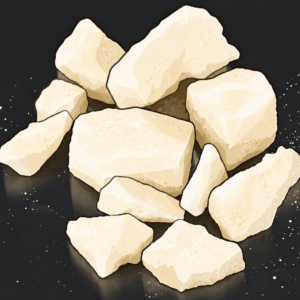
White Rock
Price range: $120.00 through $450.00 Select options This product has multiple variants. The options may be chosen on the product page
3 Responses