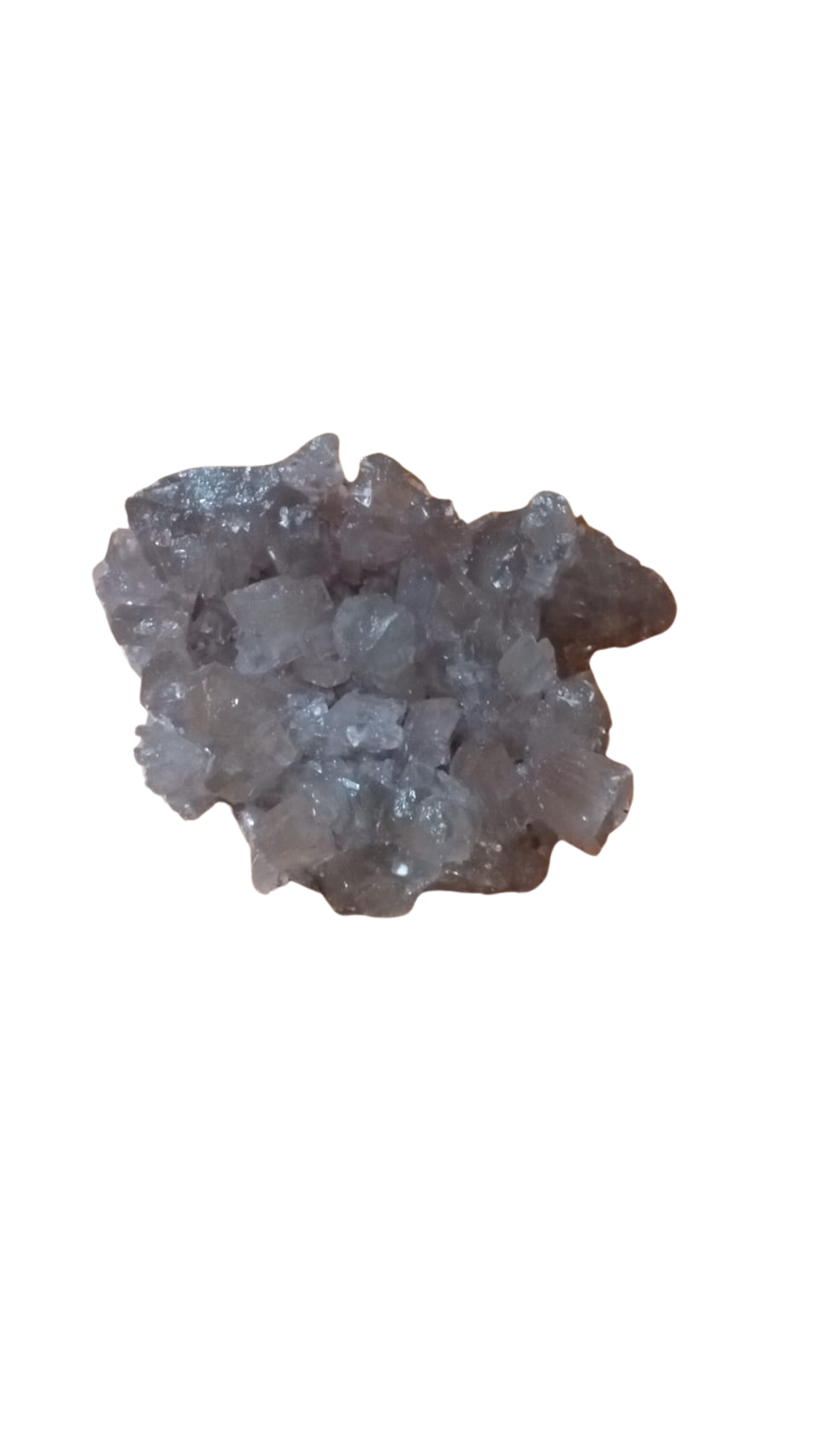
Lilac Rock
$45.00 – $325.00Price range: $45.00 through $325.00
Lilac Rock – Shop MDMA crystal online in Canada
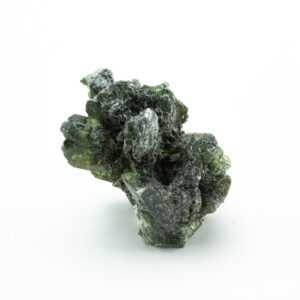
Our Lilac Rock offers a high and pure level of MDMA on the market. At Pride Pulse, we have our MDMA tested to ensure the safety of our customers. Offering a high purity level, we make sure that their are no other substances mixed in.
Lilac Rock – Shop MDMA crystal online in Canada
Our Lilac Rock offers a high and pure level of MDMA on the market. At Pride Pulse, we have our MDMA tested to ensure the safety of our customers when they shop MDMA rock with Pride Pulse. We offering a high purity level, we make sure that their are no other substances mixed in.
From smaller gatherings to full-scale club nights, LGBTQ+ party culture is rooted in both intimacy and intensity. MDMA rock are often associated with enhancing those dual experiences—deep conversations in quieter moments and euphoric connection on the dancefloor. It’s about moving fluidly between spaces while staying connected to yourself and others. Shop MDMA rock on Pride Pulse for your next LGBTQ+ party and rave.
Disclaimer: Due to the potential legality of MDMA, we cannot and do not endorse or support the use of this drug where it is illegal. However, harm reduction is a crucial aspect of safety, and therefore, this guide is being provided to ensure individuals can make informed decisions and minimize risks when using MDMA. It is important to verify the legality of the substance in the area before consuming it. Additionally, always remember to prioritize safety, and seek medical attention if necessary.
3,4-Methylenedioxymethamphetamine (MDMA)
MDMA is a synthetic psychoactive substance known for its ability to intensify emotional connection, empathy, and sensory awareness. Within LGBTQ communities, MDMA has historically appeared in social settings such as dance spaces, Pride events, and queer nightlife, where it has been associated with feelings of belonging, emotional openness, and collective joy. Chemically, MDMA shares properties with both stimulants and hallucinogens, contributing to its distinctive emotional and perceptual effects.
Rather than being experienced simply as a “party drug,” MDMA has often been described in queer contexts as a substance that temporarily lowers social barriers—supporting vulnerability, intimacy, and connection in spaces where people may otherwise feel guarded due to stigma or marginalization.
Commonly Reported Experiences
MDMA is typically described as producing a blend of stimulant and empathogenic effects. People report increased energy alongside heightened emotional sensitivity and connection to others. In LGBTQ social settings, these effects are often framed in terms of community bonding rather than individual intoxication.
Reported experiences may include:
-
A heightened sense of well-being and acceptance
-
Increased extroversion and ease of social interaction
-
Emotional warmth and closeness with others
-
Greater empathy and openness in conversation
-
Enhanced music, touch, and sensory perception
-
Altered sense of time and environment
These experiences are often understood as part of why MDMA has held a particular place in queer nightlife and dance culture, especially during periods when safe communal spaces were limited.
Dosage and Related Effects
NOTE: The effects stated here are not meant to be exhaustive, especially at lower dose levels. They may vary as more reliable and broadly representative data becomes available. To account for the wide diversity in MDMA purity, these dose ranges are purposely cautious. They assume a purity of 100 percent.
Microdosing MDMA (5-40 mg)
Microdosing MDMA as a way to improve mood and energy levels may be gaining popularity, but its use is not advised due to the potential health risks associated with frequent use. Meanwhile, relevant evidence suggests that using MDMA more frequently is not beneficial for one’s health. Being an amphetamine and stimulant, MDMA affects the body differently than LSD, leading to various physical effects. Typical side effects include: a slight mood boost, emotional sensitivity, sleep disturbances, hangovers, and an increased risk of heart problems.
Average (80-150 mg)
The 80-150 mg of MDMA dose appears to be the most common for users, and this is also the dose used in clinical research. It’s more common for people to “re-up,” meaning they take an initial dose of 80-120 mg followed by another dose of 40-80 mg. During MAPS’ clinical trials, the same method is employed. Typical side effects include:
- Mood enhancement: increased energy, empathy, and an overall sense of elation
- Euphoria: intense happiness and a sense of well-being
- Anxiety and agitation: an increased risk of anxiety and restlessness
- Sleep disturbances: difficulty falling and staying asleep during the peak of MDMA’s effects
- Increased heart rate and blood pressure
- Nausea and vomiting
- Increased body temperature
- Hangovers: headaches, irritability, and fatigue after the use of MDMA has worn off
- Paranoia or anxiety
- Depression and hallucinations: negative effects related to the use or misuse of MDMA
Related products
-
Shroomz Ecstasy
$12.00 – $80.00Price range: $12.00 through $80.00 Select options This product has multiple variants. The options may be chosen on the product page -
Emerald MDMA Pills
$12.00 – $80.00Price range: $12.00 through $80.00 Select options This product has multiple variants. The options may be chosen on the product page -
Moonshade Rock
$45.00 – $325.00Price range: $45.00 through $325.00 Select options This product has multiple variants. The options may be chosen on the product page -
Emerald Rock
$45.00 – $325.00Price range: $45.00 through $325.00 Select options This product has multiple variants. The options may be chosen on the product page