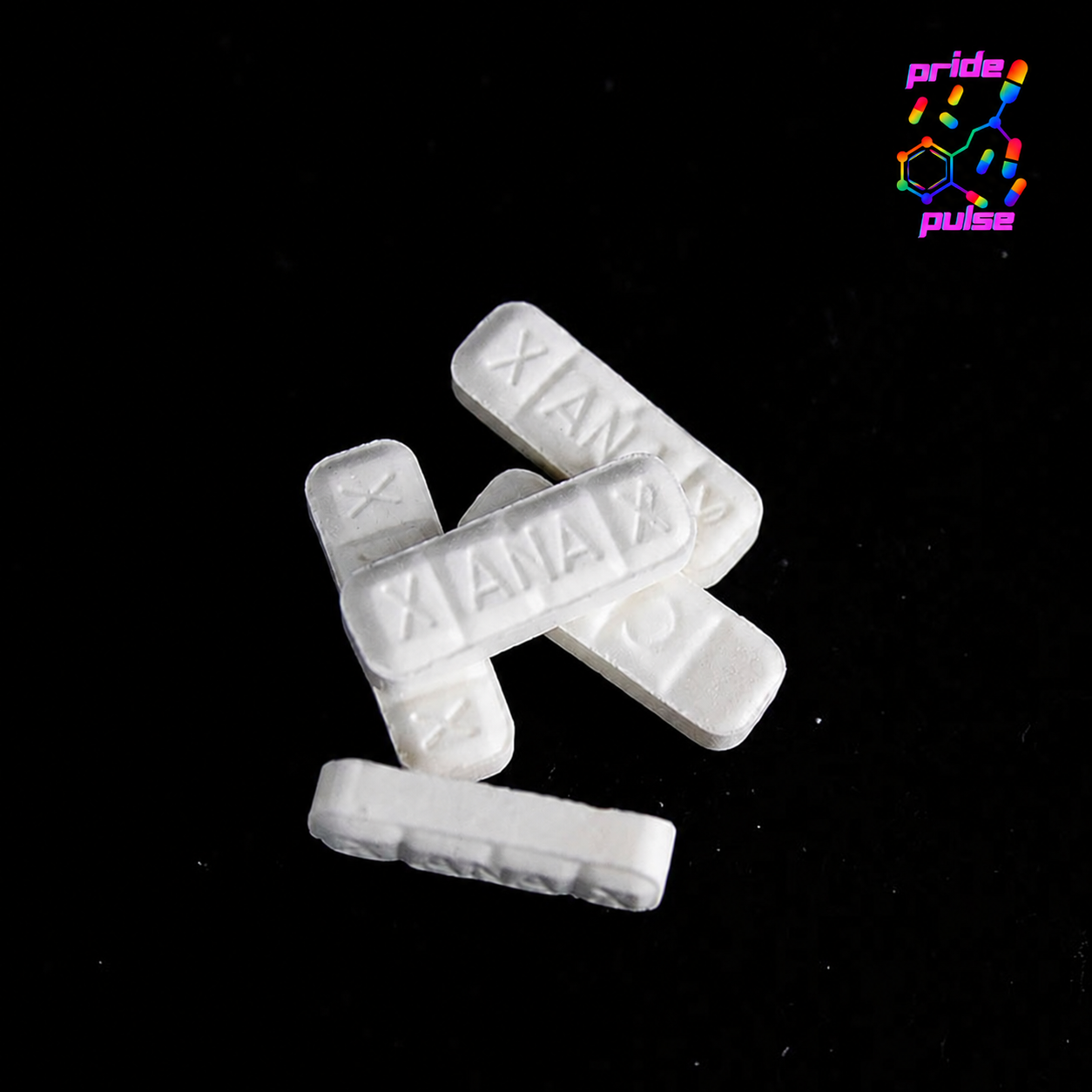
Xanax (2mg)
$10.00 – $210.00Price range: $10.00 through $210.00
Xanax (Alprazolam) is a fast-acting prescription benzodiazepine commonly used to treat anxiety disorders and panic attacks. By enhancing the calming effects of GABA in the brain, Xanax helps reduce excessive nervous system activity, promoting relaxation and relief from anxiety symptoms.
At Pride Pulse, we recognize the unique mental health challenges faced by LGBTQ2S+ communities, including minority stress, discrimination, and social anxiety. We believe in accessible mental health education, informed choices, and harm reduction.
Xanax (Alprazolam) – Anxiety Relief, Effects & LGBTQ+ Mental Health
Xanax, the brand name for alprazolam, is a fast-acting prescription medication belonging to the benzodiazepine family. Commonly prescribed for generalized anxiety disorder (GAD) and panic disorder, Xanax works by calming excessive activity in the central nervous system, helping reduce anxiety and panic symptoms.
For LGBTQ2S+ individuals, mental health is an especially important conversation. Experiences of discrimination, minority stress, social rejection, and barriers to affirming healthcare can contribute to anxiety and psychological distress. Understanding medications such as alprazolam, their therapeutic applications, and their potential risks can help individuals make informed decisions about their mental health.
At Pride Pulse, we believe that mental health awareness, accessible information, and harm reduction are essential components of LGBTQ+ community wellness.
What Is Xanax (Alprazolam)?
Xanax contains alprazolam, a medication classified as a triazolobenzodiazepine. It enhances the activity of gamma-aminobutyric acid (GABA), an inhibitory neurotransmitter responsible for reducing excessive nervous system activity.
By strengthening GABA’s calming effects, alprazolam can produce relaxation, sedation, and reduced anxiety.
Xanax is primarily prescribed for:
- Generalized Anxiety Disorder (GAD): Short-term management of excessive anxiety and persistent worry.
- Panic Disorder: Treatment of recurrent panic attacks and associated symptoms.
- Anxiety-Related Sleep Difficulties: Occasionally prescribed off-label when anxiety significantly interferes with sleep.
- Situational Anxiety: Sometimes used under medical supervision for specific circumstances involving significant anxiety.
- Chemotherapy-Related Symptoms: Occasionally used as an adjunct treatment for anticipatory nausea and vomiting.
Although alprazolam acts relatively quickly, its potential for dependence means it is generally best suited to carefully monitored treatment rather than long-term routine use.
Xanax and LGBTQ+ Mental Health
Mental health challenges can affect anyone, but LGBTQ2S+ communities may experience additional pressures related to minority stress, discrimination, stigma, and social exclusion.
For some individuals, these experiences can contribute to chronic anxiety, panic attacks, and difficulties accessing appropriate mental healthcare.
Anxiety in LGBTQ+ Communities
LGBTQ+ individuals may encounter stressors including:
- Minority Stress: Psychological strain associated with prejudice, discrimination, and social stigma.
- Coming Out and Identity-Related Anxiety: Stress surrounding disclosure, acceptance, and personal safety.
- Social Anxiety: Fear of judgment, rejection, or harassment in social environments.
- Family Rejection: Emotional distress associated with unsupportive family relationships.
- Healthcare Barriers: Difficulty finding culturally competent, LGBTQ-affirming mental health professionals.
Prescription medications such as Xanax may be appropriate for certain anxiety conditions when recommended by a qualified healthcare professional.
However, medication is not a substitute for supportive relationships, affirming healthcare, or addressing the social conditions contributing to psychological distress.
LGBTQ-affirming psychotherapy, community support, and evidence-based mental health treatment can play important roles in long-term anxiety management.
Effects of Xanax (Alprazolam)
Alprazolam slows central nervous system activity, producing several pharmacological effects.
Common Therapeutic Effects
- Anxiety Reduction: Helps decrease excessive worry, nervousness, and psychological tension.
- Panic Symptom Relief: Can reduce the intensity of panic symptoms.
- Sedation: Produces calming effects that may cause drowsiness.
- Muscle Relaxation: May reduce muscle tension associated with anxiety.
- Sleepiness: Can promote sleep, although it is not generally recommended as a routine insomnia treatment.
Potential Side Effects
Common side effects include drowsiness, dizziness, fatigue, impaired coordination, difficulty concentrating, and memory problems.
More serious risks include respiratory depression, physical dependence, and withdrawal symptoms.
The effects of alprazolam vary depending on individual sensitivity, prescribed dosage, other medications, and underlying health conditions.
Xanax, Queer Nightlife & Harm Reduction
Nightlife, music festivals, Pride celebrations, and LGBTQ+ social spaces are important environments for community connection and self-expression.
However, combining benzodiazepines with other substances can create significant health risks.
Important harm-reduction considerations:
- Alcohol: Combining Xanax with alcohol can cause dangerous sedation, impaired consciousness, and respiratory depression.
- Opioids: Combining benzodiazepines with opioids substantially increases the risk of fatal overdose.
- GHB/GBL: Combining Xanax with GHB or GBL is particularly dangerous because these substances can intensify central nervous system depression.
- Other Sedatives: Combining alprazolam with sleeping medications or other depressants can increase the risk of serious complications.
- Unregulated Tablets: Tablets obtained outside licensed pharmacies may contain unexpected substances, including potent synthetic opioids.
Consent and Personal Safety
Benzodiazepines can impair judgment, coordination, and memory. These effects are especially relevant in nightlife environments where informed consent and personal safety are essential.
Someone who is significantly intoxicated or incapacitated cannot provide meaningful consent.
At Pride Pulse, we encourage community members to prioritize mutual care, respect personal boundaries, and look out for one another.
Dependence, Tolerance & Withdrawal
Xanax can cause physical dependence, including when taken as prescribed.
Regular use may lead to tolerance, meaning the same dose produces less noticeable effects over time.
Abrupt discontinuation can cause withdrawal symptoms such as:
- Rebound anxiety and panic attacks
- Insomnia and restlessness
- Tremors and sweating
- Increased heart rate
- Seizures in severe cases
Never discontinue regular alprazolam use abruptly without medical guidance. A healthcare professional can develop an individualized tapering plan when appropriate.
Storage and Safety
Store Xanax in its original packaging in a cool, dry location, away from excessive heat and moisture.
Keep all medications securely stored and out of reach of children, pets, and anyone for whom they have not been prescribed.
Use alprazolam only according to the instructions of a licensed healthcare professional.
Consult your healthcare provider if you are pregnant, breastfeeding, taking other medications, or experiencing unexpected side effects.
Seek emergency medical assistance if someone experiences severely slowed breathing, loss of consciousness, or difficulty waking after taking alprazolam.
Pride Pulse: LGBTQ+ Wellness Through Education
At Pride Pulse, we recognize that mental health, sexual health, nightlife safety, and community well-being are interconnected.
For LGBTQ2S+ individuals navigating anxiety, panic disorders, or minority stress, access to accurate information and affirming healthcare matters.
Understanding Xanax and other benzodiazepines means recognizing both their legitimate medical applications and their potential risks.
Our approach emphasizes informed decision-making, harm reduction, bodily autonomy, and compassionate, stigma-free conversations about mental health.
Your identity deserves respect. Your mental health deserves care. Your safety matters.
Related products
-

Cialis 20mg
$8.00 – $500.00Price range: $8.00 through $500.00 Select options This product has multiple variants. The options may be chosen on the product page -

Superman (Generic)
$9.00 – $550.00Price range: $9.00 through $550.00 Select options This product has multiple variants. The options may be chosen on the product page -

POY-SIAN Mark II Aromatherapy Nasal Spray
$8.00 – $30.00Price range: $8.00 through $30.00 Select options This product has multiple variants. The options may be chosen on the product page -

Kamagara Oral Jelly 100mg
$10.00 Add to cart