Magic Mushrooms and Queer Communities: Legal Status, Mental Health, and Safer Use

What are Magic Mushrooms and Psilocybin
Psilocybin is a naturally occurring psychedelic compound found in certain mushroom species, commonly referred to as “magic mushrooms.”Commonly reported effects include visual distortions such as color enhancement, geometric patterns, or a sense of objects breathing or moving, along with altered perception of time, changes in the intensity of emotions, and sometimes a blending of senses (for example, perceiving sound as color) known as synesthesia. Physical effects tend to be comparatively mild and include pupil dilation, a modest increase in heart rate and blood pressure, and sometimes nausea, particularly in the earlier part of the experience.
Several dozen mushroom species across multiple genera contain psilocybin, though Psilocybe cubensis is among the most commonly encountered and cultivated. Potency varies considerably between species and even between individual mushrooms within the same batch, which makes effects harder to predict than with a standardized pharmaceutical product. Psilocybin is generally considered to have low physical toxicity relative to many other controlled substances, and tolerance to its effects builds rapidly with repeated use over a short period, meaning the same amount produces progressively less effect on consecutive days, though this tolerance also fades quickly once use stops.
How Magic Mushrooms Fit Into LGBTQ Community Life
The Momentum Health Study, following 774 gay and bisexual men in Vancouver, found 14.1% reported using “hallucinogens” in the past six months. It’s important to be precise about what this figure actually measures: this category combines psilocybin mushrooms and LSD together, so 14.1% is not a mushroom-specific figure. CBRC’s national Sex Now survey similarly tracks “psychedelics” as a broader combined category rather than isolating mushroom use specifically — meaning there isn’t currently a clean revalence figure available for LGBTQ magic mushrooms users in Canada.
There’s a distinct and growing thread of research interest in psilocybin’s potential role in mental health treatment, including specifically for LGBTQ populations. Given elevated rates of depression, anxiety, and PTSD documented among LGBTQ people — often linked to minority stress, the cumulative effect of discrimination and stigma — researchers have begun exploring whether psychedelic-assisted therapy might offer benefit for these specific populations, and some analyses have called for expanding psychedelic clinical trials to include LGBTQ+ participants more deliberately, given their historical underrepresentation in this research.
Harm Reduction: Tips and Advice for LGBTQ Magic Mushrooms Users
Know the relevant health cautions. Psilocybin is generally advised against for people with a personal or family history of psychosis, bipolar I disorder, or schizophrenia. It shouldn’t be combined with lithium, due to seizure risk, or with MAOIs (a class of antidepressant), due to a dangerous serotonergic interaction. People with cardiac conditions should also exercise added caution, since psilocybin can temporarily raise heart rate and blood pressure. Because medication interactions vary by individual, verifying specifics with a pharmacist or physician is genuinely worthwhile here, not just a formality.
Set and setting are especially important. A calm, familiar, safe physical environment, along with having a sober, trusted person present, meaningfully reduces risk given the disorientation and psychological vulnerability that can occur during a psychedelic experience.
Frequently Asked Questions
There’s no clean, mushroom-specific Canadian figure available. The closest data point — 14.1% of gay and bisexual men in the Momentum Health Study reporting “hallucinogen” use — combines psilocybin and LSD into one category.
It’s an emerging area of clinical research, particularly given elevated rates of depression, anxiety, and PTSD linked to minority stress in LGBTQ populations, but psychedelic-assisted therapy in Canada remains tightly regulated and not broadly accessible outside authorized programs.
It’s generally advised against for people with a personal or family history of psychosis, bipolar I disorder, or schizophrenia, and it shouldn’t be combined with lithium or MAOIs. Wild foraging also carries serious risk of misidentifying toxic mushroom species.
Related Articles in This Series
- Cannabis and the LGBTQ Community
- LSD and the LGBTQ Community: How Psychedelics can Heal
- Harm Reduction at Pride: Celebrating Safely
-
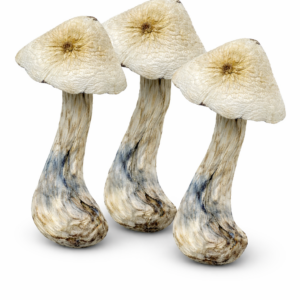
Albino Avery Mushrooms
Price range: $25.00 through $100.00 Select options This product has multiple variants. The options may be chosen on the product page -
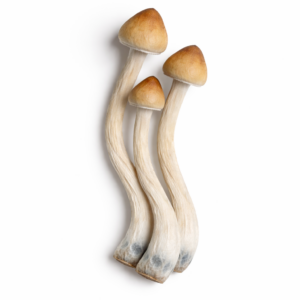
B+ Mushroom
Price range: $25.00 through $100.00 Select options This product has multiple variants. The options may be chosen on the product page -
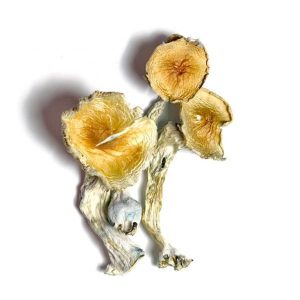
Blue Meanie Mushrooms
Price range: $25.00 through $100.00 Select options This product has multiple variants. The options may be chosen on the product page -
DMT Vape 1mL – 400mg dosage
$220.00 Add to cart -
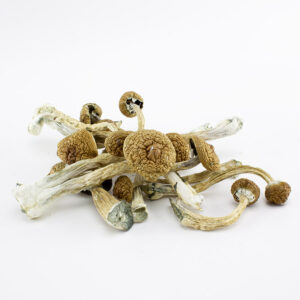
Golden Teachers Mushroom
Price range: $25.00 through $100.00 Select options This product has multiple variants. The options may be chosen on the product page -
Hippie Flip Pills
Price range: $12.00 through $80.00 Select options This product has multiple variants. The options may be chosen on the product page -
LSD Lucy Tabs
Price range: $12.00 through $90.00 Select options This product has multiple variants. The options may be chosen on the product page -
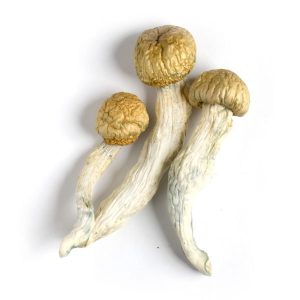
Penis Envy Mushroom
Price range: $25.00 through $100.00 Select options This product has multiple variants. The options may be chosen on the product page
4 Responses