MDMA and Queer Nightlife: What to Know
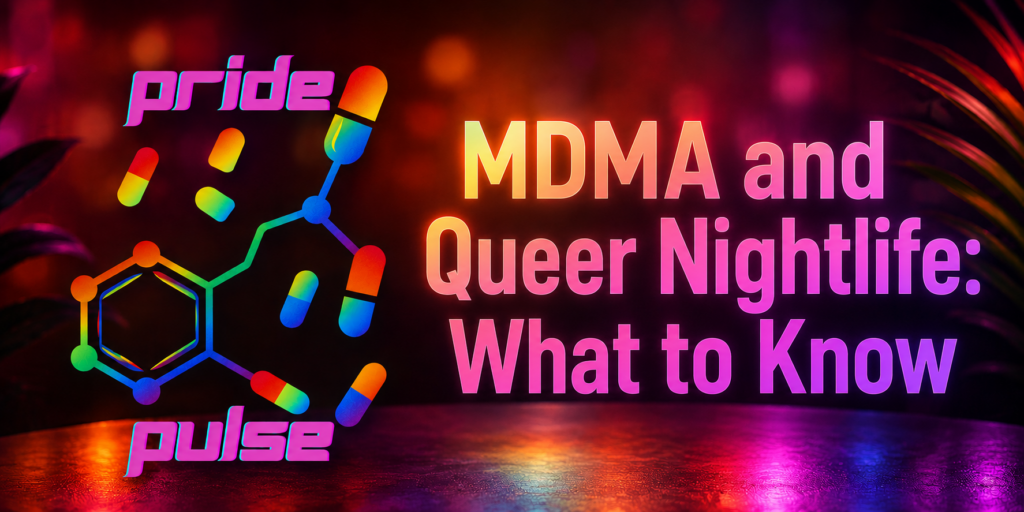
What is MDMA
MDMA, sometimes sold as “ecstasy” or “molly,” is a synthetic drug that acts as both a stimulant and an empathogen — a substance that tends to increase feelings of emotional closeness and empathy toward others. Pharmacologically, it works primarily by causing a rapid release of serotonin, along with dopamine and norepinephrine, in the brain. This is what produces its hallmark effects: euphoria, increased sociability, heightened sensory perception, and a temporary sense of connection to other people and to music or physical touch. A typical experience lasts three to six hours, though effects can vary by individual and by dose.
MDMA also has an international story worth knowing. It was first synthesized in Germany in 1912 by the pharmaceutical company Merck, though not for recreational purposes. It resurfaced decades later in American psychotherapy circles in the 1970s, where some therapists used it, unregulated at the time, to facilitate emotional openness in sessions. Its shift into recreational and club culture happened largely through the UK and continental European rave scene of the late 1980s and 1990s, which is also where much of its association with LGBTQ nightlife took root before spreading to North America.
How MDMA Fits Into LGBTQ Community Life
MDMA has a long-standing association with queer nightlife in Canada and elsewhere — circuit parties, club culture, and Pride-adjacent events have historically been spaces where the drug’s sociable, connective effects made it a natural fit for community celebration. For many LGBTQ people, especially in cities where mainstream nightlife wasn’t historically welcoming, queer clubs and parties became some of the only spaces for open self-expression, and substance use has been part of that social fabric for decades.
Canadian research gives us a specific window into how common this is, at least among one part of the community. The Momentum Health Study, which followed 774 gay and bisexual men in Vancouver, found that 18.9% reported using ecstasy or MDMA in the past six months. Data in CBRC’s 2021 Sex Now survey, a broader national survey of GBT2Q (gay, bisexual, trans, Two-Spirit, and queer) people, reports a similar percentage of around 10% of those surveyed having used ecstasy/MDMA in the past six months.
It’s both noting that while most of the available Canadian research focuses on gay and bisexual men who have sex with men, meaningfully less is known about substance use patterns among lesbian, bisexual, trans, and non-binary people specifically — a real gap in the data that’s worth acknowledging rather than filling in with assumptions.
Harm Reduction: Tips and Advice for MDMA Use at LGBTQ Events
If you’re going to be around MDMA,— whether using it yourself or supporting a friend who is — there are some evidence-based ways to reduce the risks involved, without any of this constituting a recommendation to use.
Get it checked. Drug checking services use tools like FTIR spectrometry and fentanyl/benzodiazepine test strips to identify what’s actually in a substance before it’s used. These services exist precisely because what’s sold as MDMA often isn’t purely MDMA, and checking is one of the few ways to catch dangerous adulteration before it matters.
Manage the physical environment. MDMA affects the body’s ability to regulate temperature, and combined with dancing in warm, crowded spaces, this raises real risk of overheating and dehydration. At the same time, drinking excessive amounts of water in a short period — a mistake some people make trying to “stay safe” — can cause dangerously low sodium levels (hyponatremia), which has its own serious risks. Sensible middle-ground steps include taking breaks from dancing, cooling down periodically, and drinking water steadily rather than in large amounts at once.
Avoid combining with other substances. Mixing MDMA with alcohol, other stimulants, or medications that affect serotonin (including some antidepressants) increases risk, including for serotonin syndrome, a rare but potentially serious condition. This is a case where “more caution than usual” applies.
Don’t use alone. Having someone present who isn’t using, or who can recognize warning signs, matters — especially given the temperature-regulation risks above.
Know your legal protections. Canada’s Good Samaritan Drug Overdose Act provides legal protection from certain drug possession charges for people who call 911 in an overdose situation, whether they’re calling for someone else or for themselves. Fear of legal consequences shouldn’t be a reason to delay calling for help.
This article is general information, not medical advice. If you have questions specific to your health or medications, a pharmacist, doctor, or a public health service can offer guidance tailored to your situation.
Frequently Asked Questions
The best Canadian figures concerning MDMA use in the LGBTQ community come from the Momentum Health Study, which followed 774 gay and bisexual men in Vancouver, found that 18.9% reported using ecstasy or MDMA in the past six months. Data in CBRC’s 2021 Sex Now survey, a broader national survey of GBT2Q (gay, bisexual, trans, Two-Spirit, and queer) people, reports a similar percentage of around 10% of those surveyed having used ecstasy/MDMA in the past six months.
No — naloxone only reverses opioid overdoses. It’s still worth carrying given fentanyl contamination risk in the broader unregulated drug supply, in case opioids are also present.
Canada’s Good Samaritan Drug Overdose Act provides legal protection from certain drug possession charges for people who call for help during an overdose, whether for themselves or someone else.
Related Articles in This Series
- Stimulants Community and Health
- Mephedrone and the LGBTQ Community
- Ketamine and the LGBTQ Community
- Celebrating Safely: Harm Reduction at Pride
-
Lilac Rock
Price range: $45.00 through $325.00 Select options This product has multiple variants. The options may be chosen on the product page -
Red DK Ecstasy – 500mg
Price range: $12.00 through $80.00 Select options This product has multiple variants. The options may be chosen on the product page -
Heated Rivalry Bundle
$180.00 Add to cart -
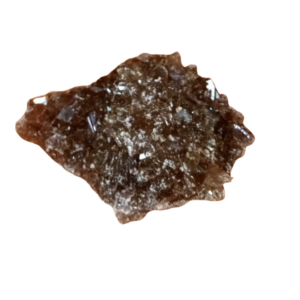
Moonshade Rock
Price range: $45.00 through $325.00 Select options This product has multiple variants. The options may be chosen on the product page -
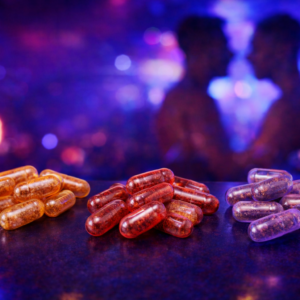
Glitter Party Bundle
$110.00 Add to cart -
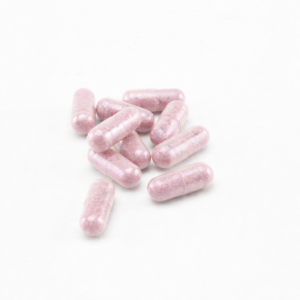
Lilac MDMA Pills
Price range: $12.00 through $80.00 Select options This product has multiple variants. The options may be chosen on the product page -
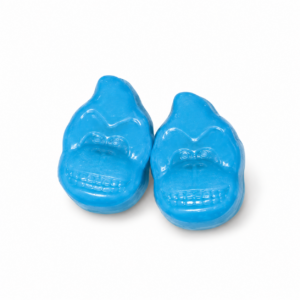
Light Blue DK Ecstasy – 350mg
Price range: $12.00 through $80.00 Select options This product has multiple variants. The options may be chosen on the product page -
Galactic Rock
Price range: $45.00 through $325.00 Select options This product has multiple variants. The options may be chosen on the product page
8 Responses